Do You Really Need To Warm Up Your Car? The Truth About Engine Idling
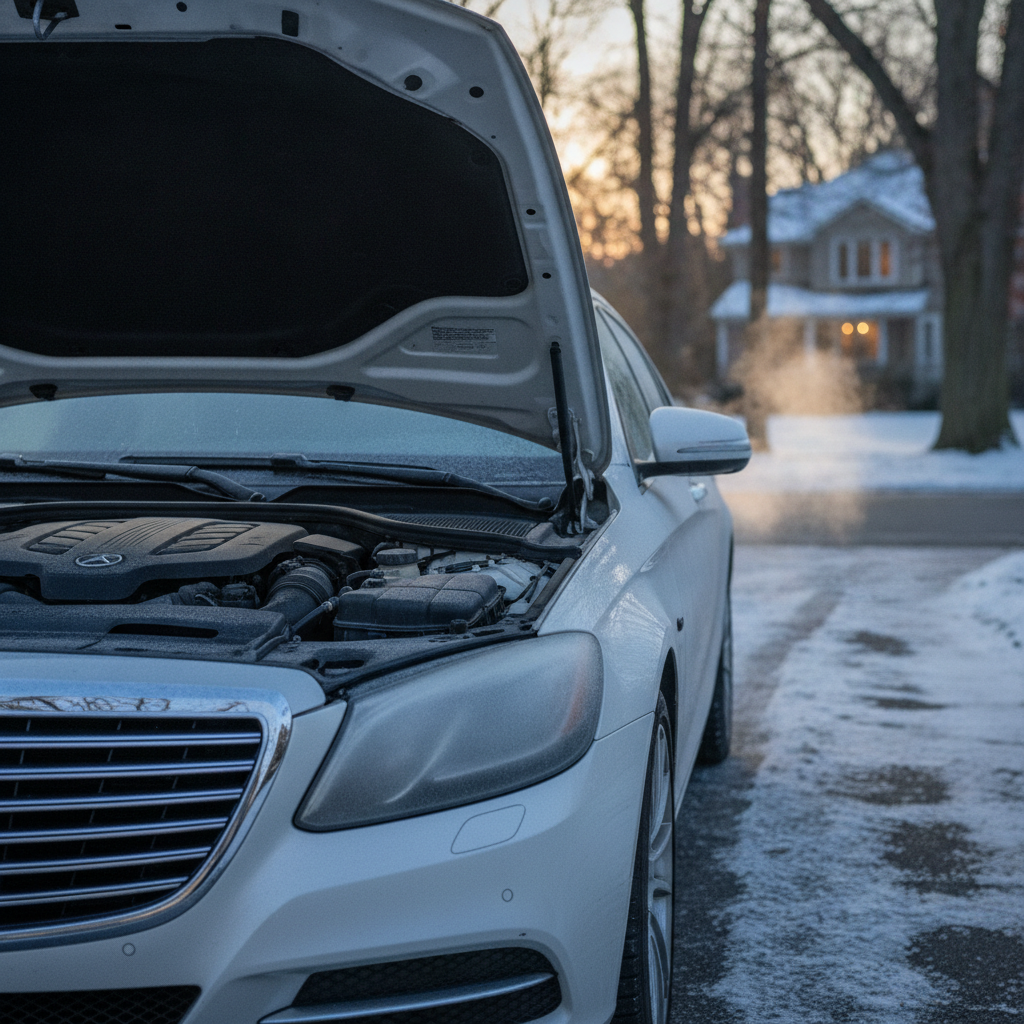
For decades, it’s been a common ritual for drivers: start your car, then let it idle for several minutes, especially on a chilly morning, to “warm up the engine.” The thought was that you needed to let the engine reach optimal temperature before hitting the road. But in today’s world of advanced automotive technology, is this practice still necessary? The surprising truth might just save you time, fuel, and unnecessary engine wear.
The Carburetor Era: A Look Back
The tradition of warming up a car stems from an older automotive technology: the carburetor. Cars built before the 1980s and early 90s relied on carburetors to mix air and fuel for combustion. These mechanical devices were less precise, especially in cold weather. Fuel didn't atomize as efficiently when cold, making engines run rough and often stall without a proper warm-up period. Prolonged idling allowed the engine components to heat up, helping the carburetor deliver a more stable fuel-air mixture.
Modern Engines: A Different Beast
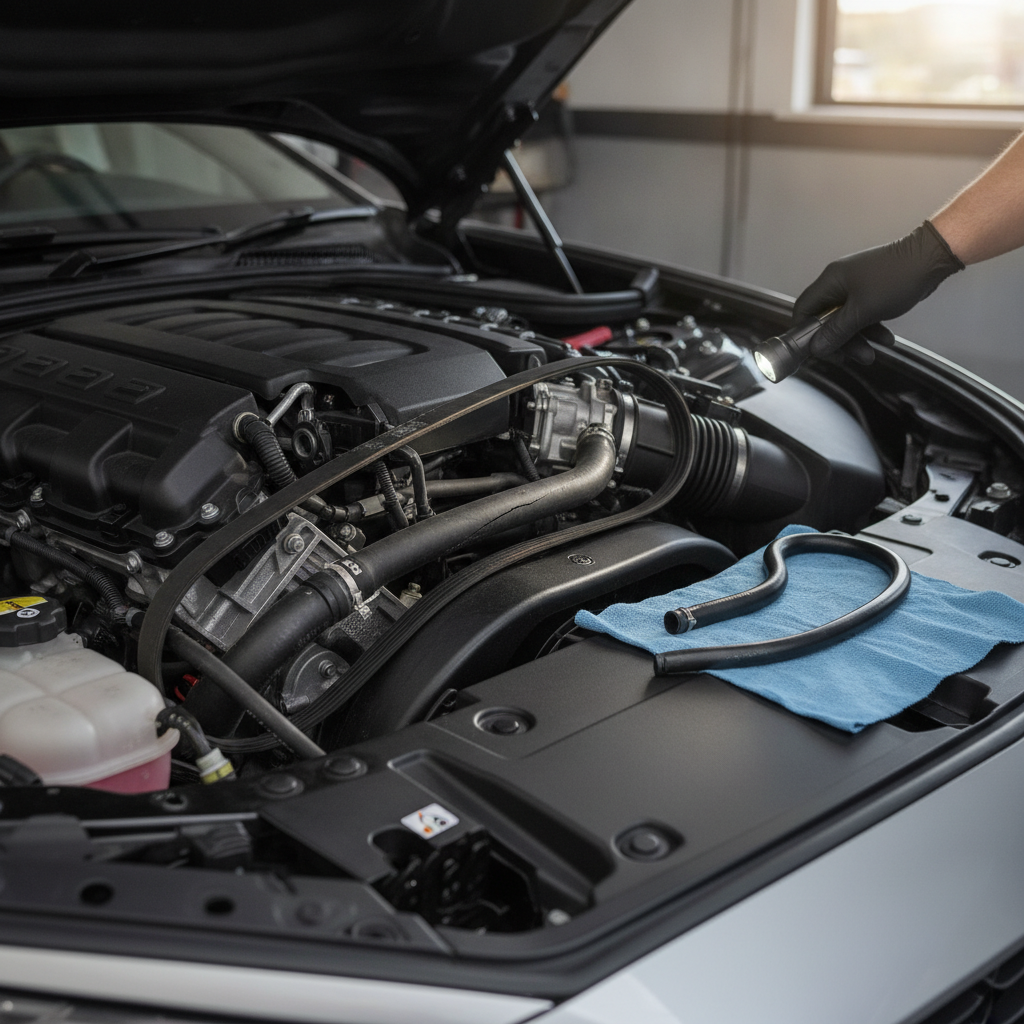
Fast forward to today, and virtually all modern vehicles are equipped with electronic fuel injection systems. These sophisticated systems use a network of sensors to constantly monitor engine temperature, oxygen levels, throttle position, and more. A car's computer (ECU) then precisely calculates and delivers the exact amount of fuel needed for optimal combustion, regardless of the outside temperature. This means your engine is ready to operate efficiently almost immediately after starting.
The Idling Myth Debunked
So, do you really need to warm up your modern car? The short answer is no, not for extended periods. Modern engines, thanks to electronic fuel injection and advanced lubricants, are designed to operate efficiently from the moment you turn the key. In fact, prolonged idling can actually be detrimental.
Why Excessive Idling Harms Your Car (and Your Wallet)
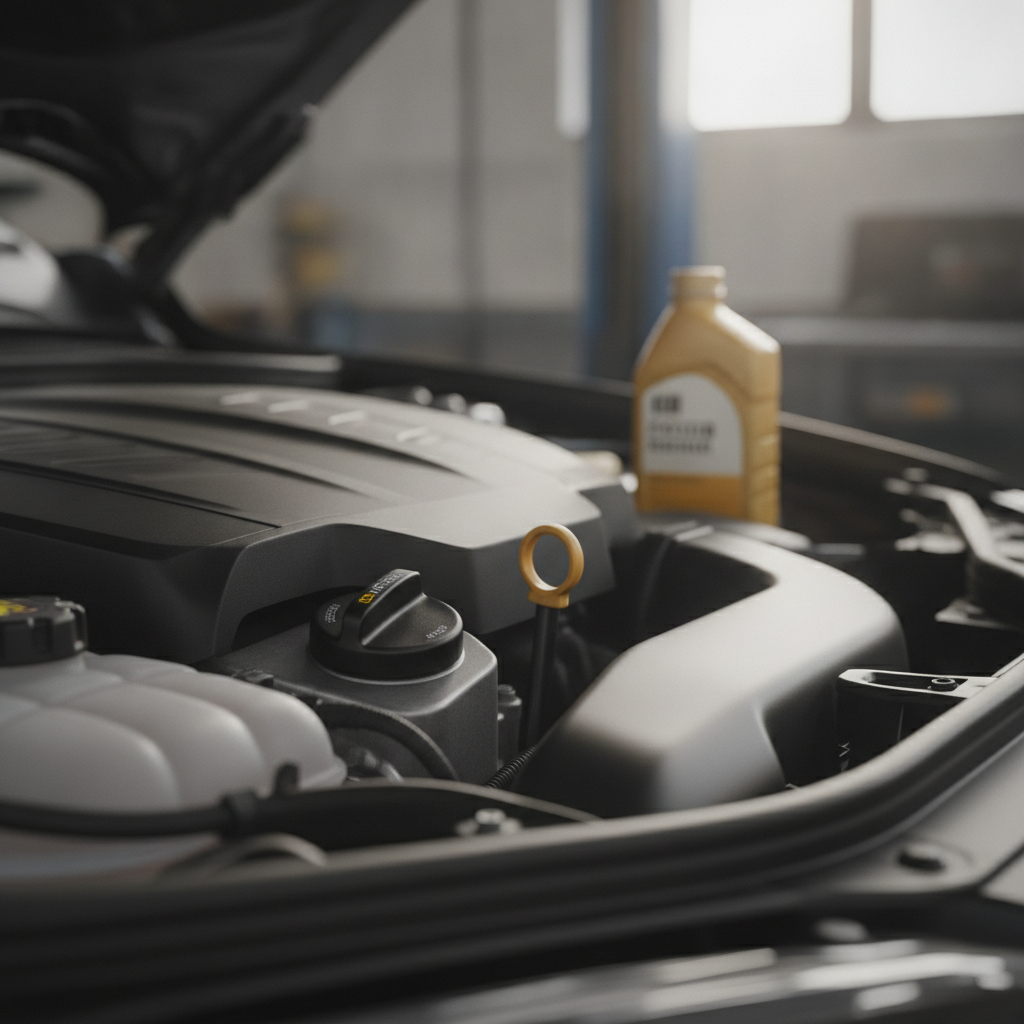
- Increased Engine Wear: While it might seem counterintuitive, idling can be harder on your engine than driving. At idle, the oil pressure is lower, and components might not receive adequate lubrication compared to when the engine is under load. Additionally, idling results in incomplete combustion, which can lead to fuel washing away the oil film from cylinder walls, increasing wear over time.
- Wasted Fuel: Every minute your car idles, it's consuming fuel without actually moving you anywhere. This adds up, costing you money and contributing to a less fuel-efficient driving habit.
- Increased Emissions: An idling engine is less efficient at burning fuel completely, leading to higher emissions of pollutants compared to an engine running under normal driving conditions. This is not only bad for the environment but can also contribute to carbon buildup inside your engine.
The Smart Way to Start Your Day
Instead of prolonged idling, here’s what automotive experts recommend for modern vehicles:
- Start and Go: Turn on your car, let it run for about 30 seconds to a minute to allow the oil to circulate throughout the engine, and then gently begin driving.
- Drive Gently: Avoid hard acceleration or high RPMs for the first few minutes of your drive. Light, consistent driving will actually warm up your engine and its other components (like the transmission) more effectively and efficiently than sitting stationary.
- Listen to Your Car: If your car feels sluggish or rough, it might be an indicator of an underlying issue, not just that it needs to warm up longer.
Embracing these habits can lead to better fuel economy, reduced engine wear, and a smaller environmental footprint. Keeping your vehicle in top shape is crucial for its longevity and performance, no matter the season. For expert diagnostics, routine maintenance, or any mechanical repair your car might need, the skilled technicians at Trans Service Group are always ready to help drivers across the Miami area ensure their vehicle is running perfectly.
Conclusion
The old advice about extensively warming up your car is largely a relic of the past. With modern technology, a quick start and gentle drive are all your vehicle needs. By understanding the truth about engine idling, you can drive smarter, save money, and contribute to the health of your car and the environment.