The Great Gas Dilemma: Premium vs. Regular
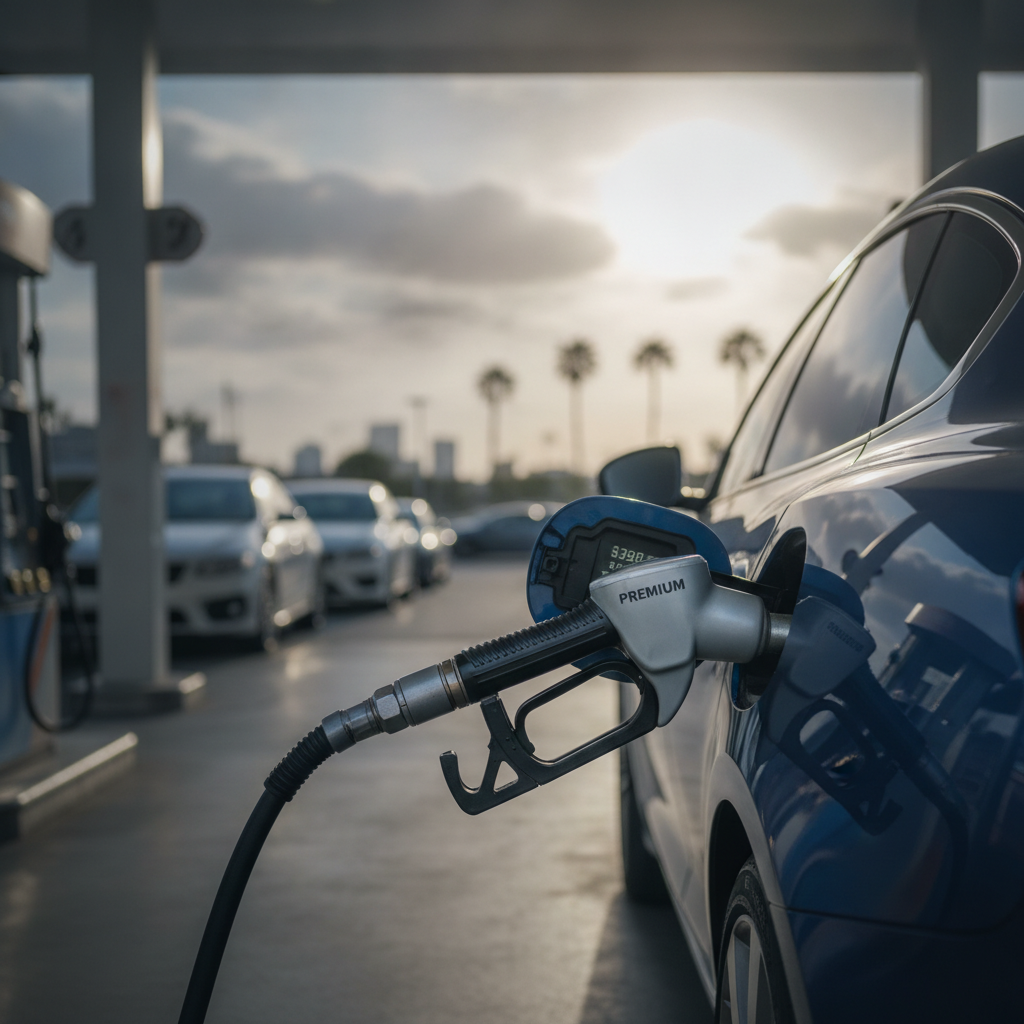
Every time you pull up to the pump, you're faced with a choice: regular, mid-grade, or premium. For many drivers across Hollywood, Miami, and beyond, there's a lingering question – is premium gas really better for your car? Is that extra cost truly worth it, or are you just throwing money away?
It's a common misconception that premium fuel automatically boosts performance or cleans your engine more effectively, but the reality is a bit more nuanced. Let's pump the brakes on the myths and drive straight into the facts.
Understanding Octane: It's Not About Power
The primary difference between regular (87 octane), mid-grade (89 octane), and premium (91 or higher octane) gasoline isn't about how much power it contains or how 'clean' it is. Instead, it's all about an additive called octane, which measures a fuel's resistance to pre-ignition, also known as 'engine knock' or 'pinging.'
- Engine Knock: This occurs when the air-fuel mixture in your engine's cylinders ignites prematurely or at the wrong time, creating a pinging sound and potentially causing long-term engine damage.
- Higher Octane: Fuels with a higher octane rating are more resistant to this premature ignition.
When Your Car *Needs* Premium Fuel
Some vehicles are specifically designed to require premium fuel. These are typically:
- High-Performance Engines: Sports cars, luxury vehicles, and many turbocharged or supercharged engines often have higher compression ratios or specific timing requirements that necessitate premium fuel to prevent knock.
- Manufacturer's Recommendation: The definitive answer for your car is always found in your owner's manual or on the inside of your fuel filler door. If it says "Premium Fuel REQUIRED" or "Premium Fuel ONLY," then you absolutely should use it.
Using regular gas in a car that requires premium can lead to engine knock, reduced performance, and, over time, potential engine damage. Modern cars have knock sensors that can adjust timing to compensate, but this often comes at the cost of power and fuel efficiency.
When Premium Fuel is a Waste of Money
For the vast majority of vehicles on the road – those designed to run on regular 87 octane gasoline – filling up with premium fuel offers absolutely no benefit. Your engine's computer is calibrated for 87 octane, and it won't be able to take advantage of the higher octane rating. You won't get:
- Better fuel economy
- Increased horsepower
- A cleaner engine
All you'll get is a lighter wallet. Paying extra for premium when your car doesn't require it is like buying gourmet dog food for a goldfish – it simply won't make a difference.
The Bottom Line: Check Your Manual!
The best advice is also the simplest: always follow your vehicle manufacturer's recommendation.
- If your manual states "Regular Unleaded Fuel Only" or "87 Octane Recommended," stick with regular. You're not doing your car any favors by upgrading.
- If it specifies "Premium Unleaded Fuel Required" or "91+ Octane," then use premium to protect your engine and ensure optimal performance.
- If it says "Premium Recommended" but not required, you *can* use regular, but you might notice a slight dip in performance or fuel economy.
Understanding your car's fuel needs is a small but important part of responsible vehicle maintenance. It ensures your engine runs as it should and keeps unnecessary expenses out of your budget.
If you're ever unsure about your car's specific needs, or if you notice any unusual engine behavior, don't hesitate to consult the experts at Trans Service Group here in Hollywood, Florida. We're always here to help ensure your vehicle runs smoothly and efficiently, from routine oil changes to complex mechanical repairs.