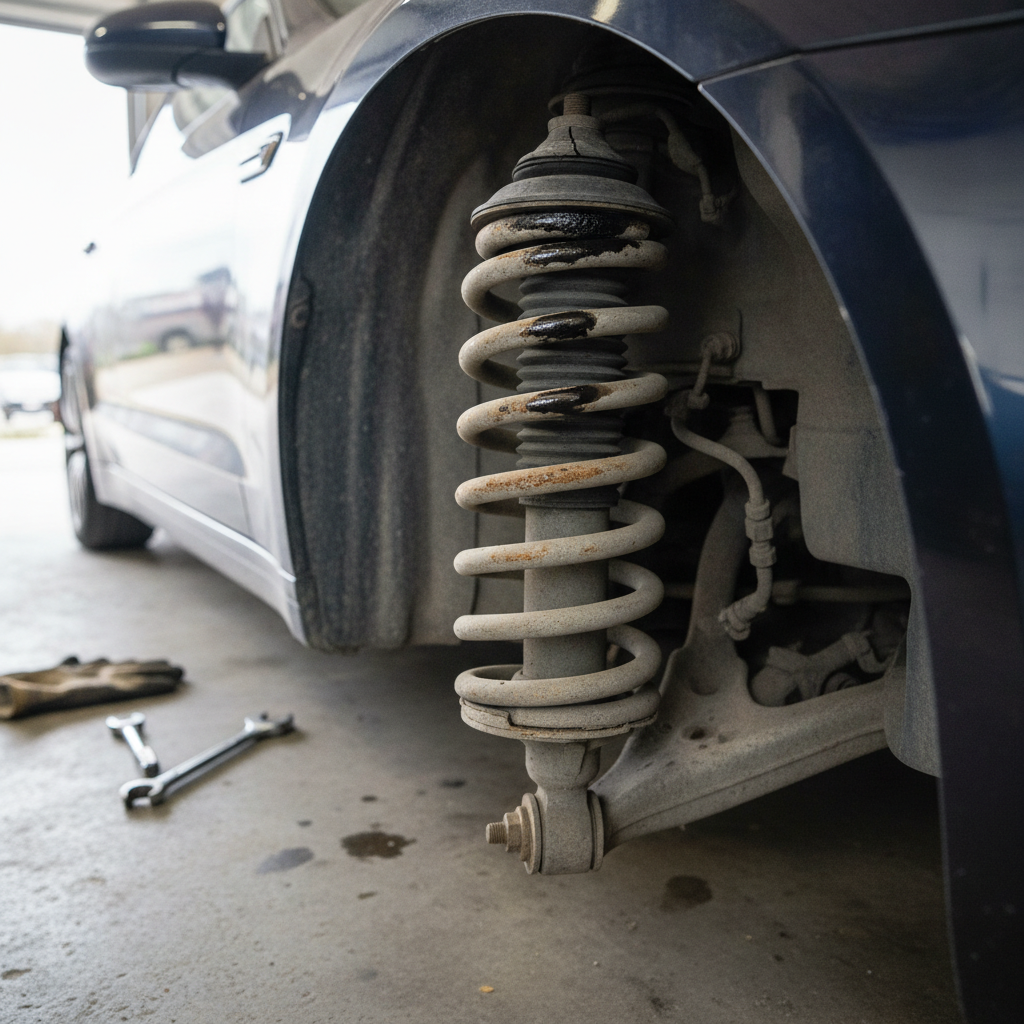
The Unsung Heroes of Your Ride: Shocks and Struts
Ever wonder what keeps your car from bouncing down the road like a pogo stick? That's the critical job of your vehicle's shocks and struts. These vital components are more than just comfort enhancers; they play a direct role in your car's handling, braking, and overall safety. They work tirelessly to absorb bumps, control excessive vehicle motion, and keep your tires firmly planted on the road. Over time, however, even the best shocks and struts wear out, compromising your driving experience and potentially your safety.
Understanding the signs of wear and tear can help you address issues before they become serious. Here at Trans Service Group in Hollywood, FL, we want to empower drivers across the Miami area with the knowledge to keep their vehicles performing safely and smoothly.
Why Healthy Shocks and Struts Matter
Beyond a comfortable ride, fully functional shocks and struts are crucial for:
- Vehicle Control: They help maintain tire contact with the road, especially over uneven surfaces, allowing for precise steering and stability.
- Braking Performance: Worn suspension can lead to longer braking distances, as the car's weight shifts more dramatically during stops.
- Tire Longevity: By keeping tires evenly on the road, they prevent uneven wear patterns that shorten tire life.
- Passenger Comfort: They absorb road imperfections, reducing vibrations and jolts inside the cabin.
Telltale Signs It's Time for a Check-Up
Pay close attention to these indicators that your shocks or struts might be failing:
- Bouncy or Excessive Vehicle Motion: If your car continues to bounce or sway long after hitting a bump, or if the ride feels excessively soft and floaty, your suspension isn't absorbing impacts effectively.
- Nose Diving, Squatting, or Rolling: During braking, worn shocks can cause the front of your car to dip sharply (nose dive). When accelerating, the rear might sag excessively (squat). Cornering can also lead to more pronounced body roll.
- Uneven or Cupped Tire Wear: When shocks or struts fail to keep your tires firmly on the road, the tires can develop a scalloped or cupped wear pattern. This isn't just cosmetic; it impacts grip and tire life.
- Fluid Leaks on the Shocks/Struts: Take a look under your vehicle. If you spot fluid leaking from the shock or strut body, it's a clear sign of internal seal failure, meaning they are no longer functioning properly.
- Visible Damage or Rust: Inspect the components for any obvious dents, rust, or damage to the shock body, mounts, or bushings. Excessive rust can weaken their structure, while damaged mounts can lead to poor performance.
- Increased Braking Distance: As mentioned, a worn suspension struggles to manage weight transfer. This can significantly increase the distance needed to come to a complete stop, a major safety concern.
- Strange Noises Over Bumps: Hear a clunking, rattling, or thumping sound when you go over speed bumps, potholes, or uneven terrain? These noises often indicate worn bushings, loose components, or failing internal parts within the shocks or struts.
Don't Delay, Get Them Checked
Ignoring the signs of worn shocks and struts can lead to more extensive and costly repairs down the line, not to mention a significant compromise in your vehicle's safety and performance. While there's no fixed mileage for replacement, most manufacturers suggest inspecting them every 50,000 to 80,000 miles, or sooner if you notice any of the symptoms above.
If you're experiencing any of these issues, or simply want peace of mind, don't wait. Schedule a diagnostic inspection with the experienced technicians at Trans Service Group in Hollywood, FL. We're proud to serve drivers across the greater Miami area with expert mechanical repair, ensuring your vehicle handles safely and comfortably for miles to come.