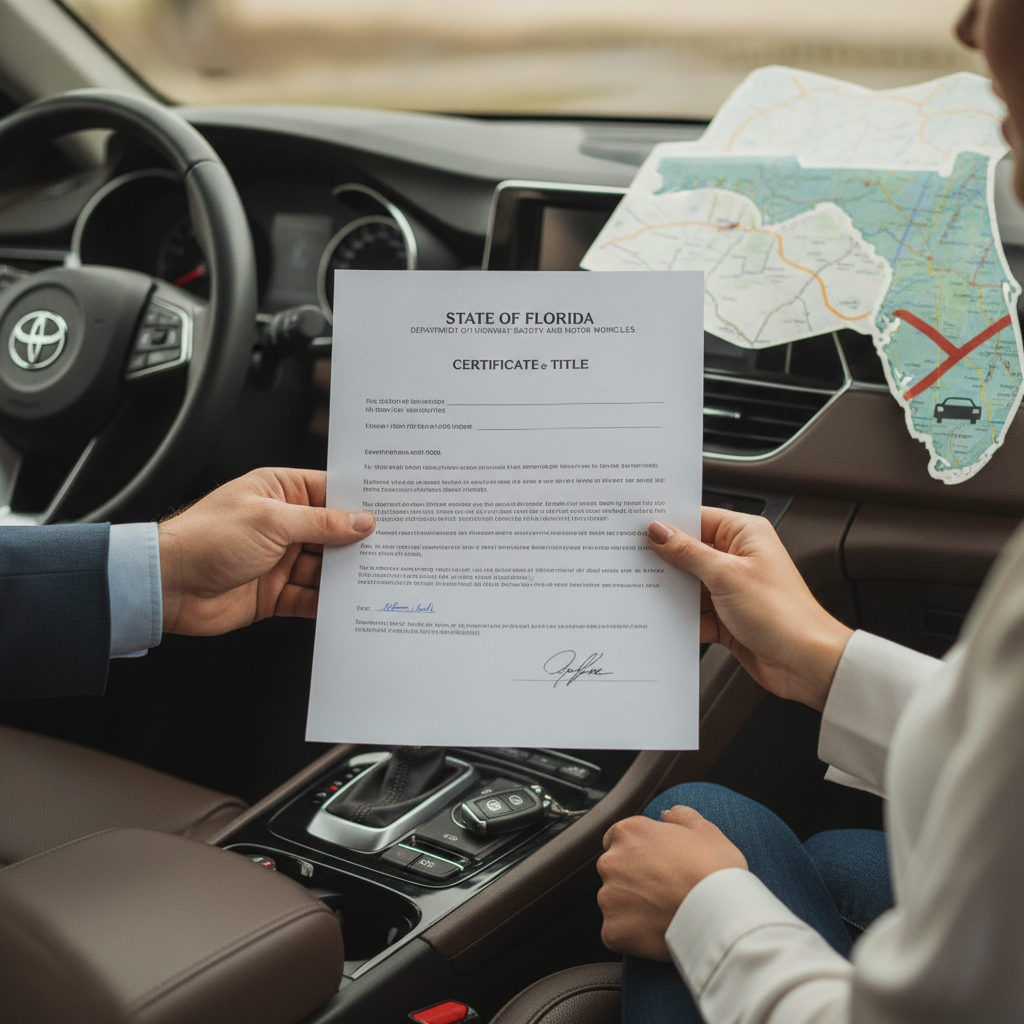
Introduction: Making Your New Ride Official
Buying or selling a vehicle in the Sunshine State is exciting! Whether you're upgrading to a new model or passing on a beloved car, there's one crucial step that makes everything official: transferring the car title. For many, this process can seem daunting, but it doesn't have to be. As Trans Service Group, your trusted automotive partner in Hollywood, Florida, we’re here to simplify the journey for you.
A proper title transfer ensures legal ownership, allowing you to register your vehicle, get insurance, and avoid potential headaches down the road. Let's dive into our step-by-step guide to a smooth Florida car title transfer!
Why a Proper Title Transfer Matters
The vehicle title is more than just a piece of paper; it’s the legal proof of ownership for your car, truck, or motorcycle. When you buy a car, transferring the title into your name makes you the legal owner. Without it, you can't register the vehicle, obtain proper insurance, or even sell it in the future. For sellers, promptly transferring the title releases you from liability for the vehicle once it's no longer yours.
Your Step-by-Step Guide to Florida Car Title Transfer
Step 1: Gather Your Essential Documents
- Original Florida Certificate of Title: This is the most crucial document, provided by the seller.
- Valid Photo Identification: Both buyer and seller will need a current driver's license or state ID.
- Bill of Sale (Recommended): While not always mandatory for a Florida title transfer between private parties, a dated and signed bill of sale detailing the vehicle, purchase price, and parties involved is highly recommended for your records.
Step 2: Accurately Complete the Title Certificate
The seller must sign off on the 'assignment of title' section of the original certificate. This typically involves:
- Seller's Signature(s): All owners listed on the title must sign.
- Date of Sale: The exact date the transaction occurred.
- Purchase Price: The agreed-upon selling price of the vehicle.
- Buyer's Information: The buyer will fill in their full legal name, address, and signature in the appropriate 'purchaser' section.
Step 3: Odometer Disclosure Statement
For vehicles less than 10 years old, federal law requires an odometer disclosure statement. This is usually part of the Florida title certificate itself. Both buyer and seller must acknowledge the mileage reading to confirm it's accurate at the time of sale. If there's an issue or discrepancy, it must be noted.
Step 4: Understand Sales Tax and Fees
When transferring a title in Florida, the buyer is responsible for:
- Florida Sales Tax: Currently 6% of the purchase price, plus any discretionary sales surtax in your county.
- Title Transfer Fee: A standard fee for issuing the new title.
- Registration Fees: If you're also registering the vehicle for the first time in your name or getting new license plates, additional fees will apply.
Step 5: Visit Your Local Florida Tax Collector's Office
The buyer must submit all completed documents and pay the necessary fees to a local Florida Tax Collector's Office (often referred to as the DMV or FLHSMV service center) within 30 days of the sale. Bring your identification, proof of Florida insurance, and all signed documents.
Step 6: Receive Your New Title and Registration
Once processed, you'll typically receive a temporary registration and license plate (if applicable) on the spot. The official paper title will usually be mailed to you within a few weeks, unless you opt for an electronic title (most new titles are issued electronically unless a paper copy is specifically requested or required by a lienholder).
Practical Tips for a Smooth Transfer
- Act Promptly: Florida imposes late fees if the title transfer isn't completed within 30 days of the sale.
- Lost Title? If the seller has lost the original title, they must apply for a duplicate title (Form HSMV 82101) before the transfer can occur.
- Lien on Title? If there's a lienholder (e.g., a bank) on the title, they must officially release the lien before the title can be transferred to a new owner.
- Digital vs. Paper Titles: Florida primarily issues electronic titles. If you need a physical paper title (e.g., for out-of-state sale), you might need to specifically request it.
- Dealership Advantage: When you purchase a vehicle from a licensed dealer like Trans Service Group, they typically handle all the title transfer paperwork for you, making the process virtually seamless!
Ready to Roll?
Transferring a car title in Florida is a straightforward process when you know the steps. By following this guide, you can ensure a smooth transition of ownership, allowing you to fully enjoy your vehicle with peace of mind. If you're in the market for a new vehicle or need reliable transport services in Hollywood, Florida, remember that Trans Service Group is here to help you every step of the way!